

Why even monitor arms need testing — especially where it’s unseen.
When it comes to monitor arms, users often ask the most straightforward questions:
Is it stable? Is the adjustment smooth? Will it wobble?
These factors determine whether a monitor arm is easy and comfortable to use.
But in hospitals, clinics, and nurse stations, we ask ourselves a different question:
Can it withstand day-after-day high-frequency disinfection and truly demanding environments?
01.Antibacterial, by design.
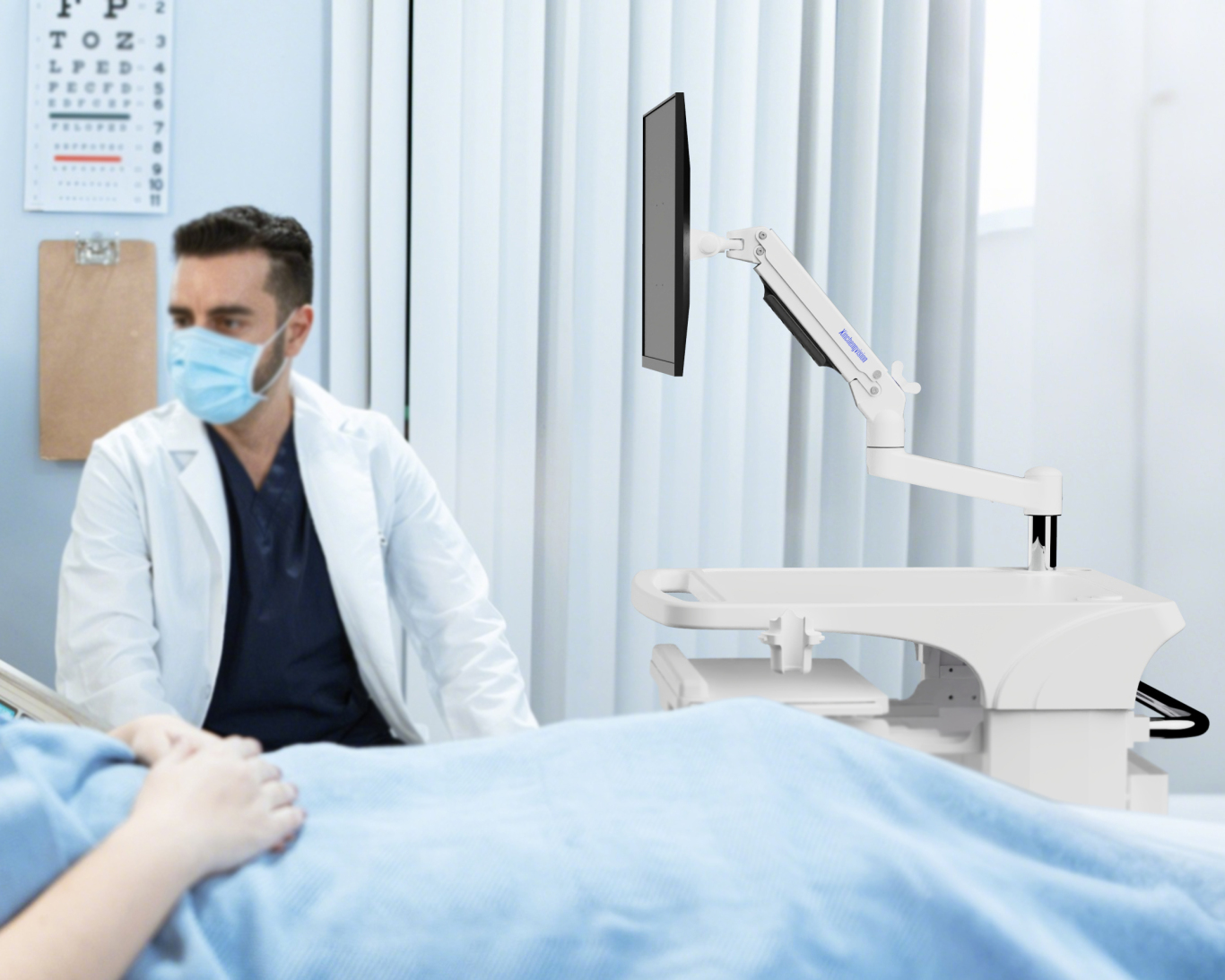
In hospitals, a monitor arm is not a static fixture.
It is adjusted, touched, and used repeatedly by medical staff every day.
Its surface is wiped again and again with alcohol and disinfectants as part of routine infection control.
If the wrong materials are selected, problems will inevitably surface over time:
Stains accumulate easily, making the surface look dirtier the more it is cleaned
Bacteria may still adhere even after disinfection
Material aging leads to a sticky touch and a faded, worn appearance
For this reason, material selection became a critical focus from the very beginning of our enclosure development process.
We asked ourselves two key questions:
Can it be cleaned easily?
Can it resist bacterial adhesion over long-term use?
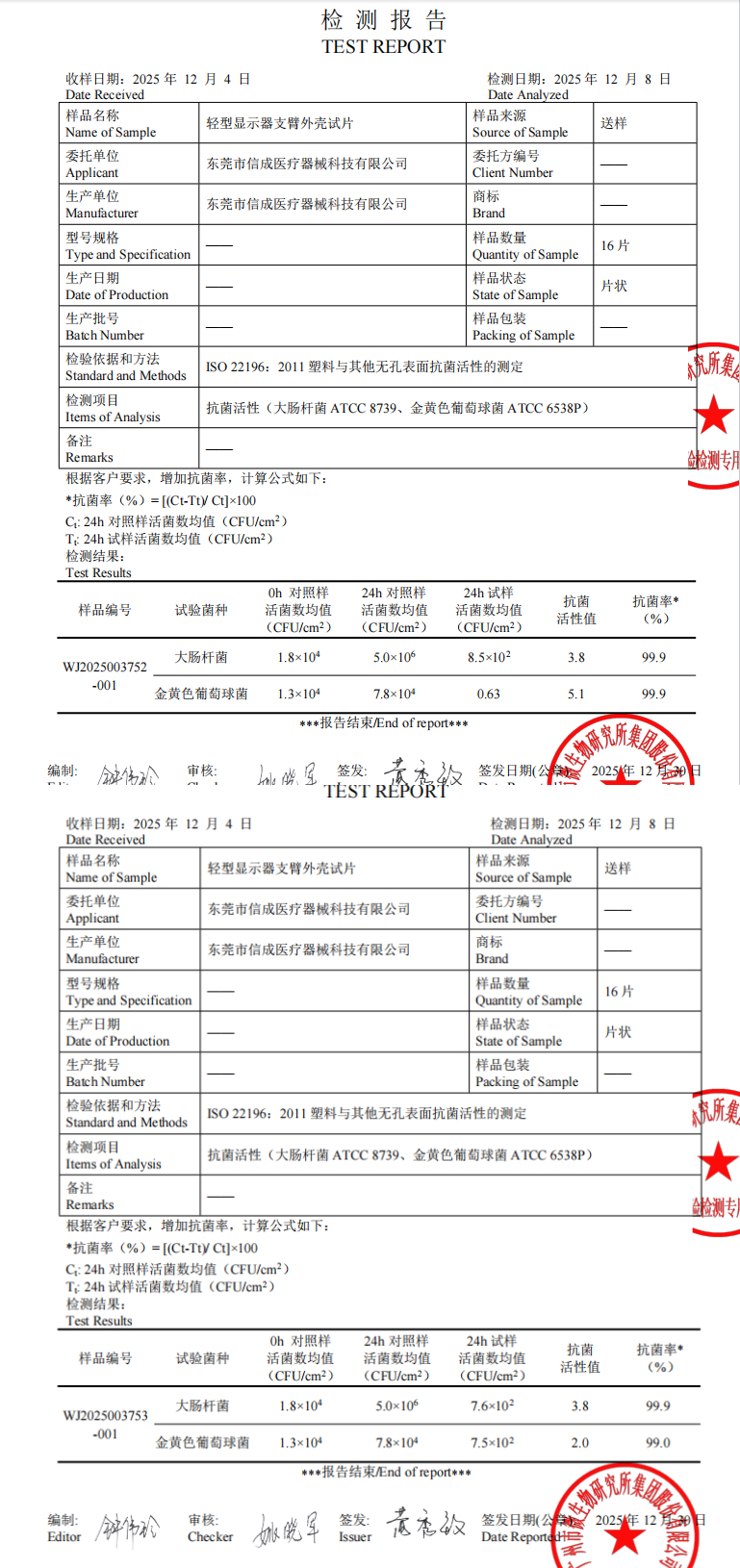
To answer these questions with data—not assumptions—we submitted the material to a certified laboratory for antibacterial performance testing.
The results speak clearly:
Under simulated hospital daily-contact conditions, the material surface demonstrated a significant ability to inhibit the adhesion of common bacteria.
This means more effective routine disinfection, easier maintenance, and greater suitability for medical environments where high-frequency cleaning is a constant requirement.
02.Anti-mold, built for long-term use.
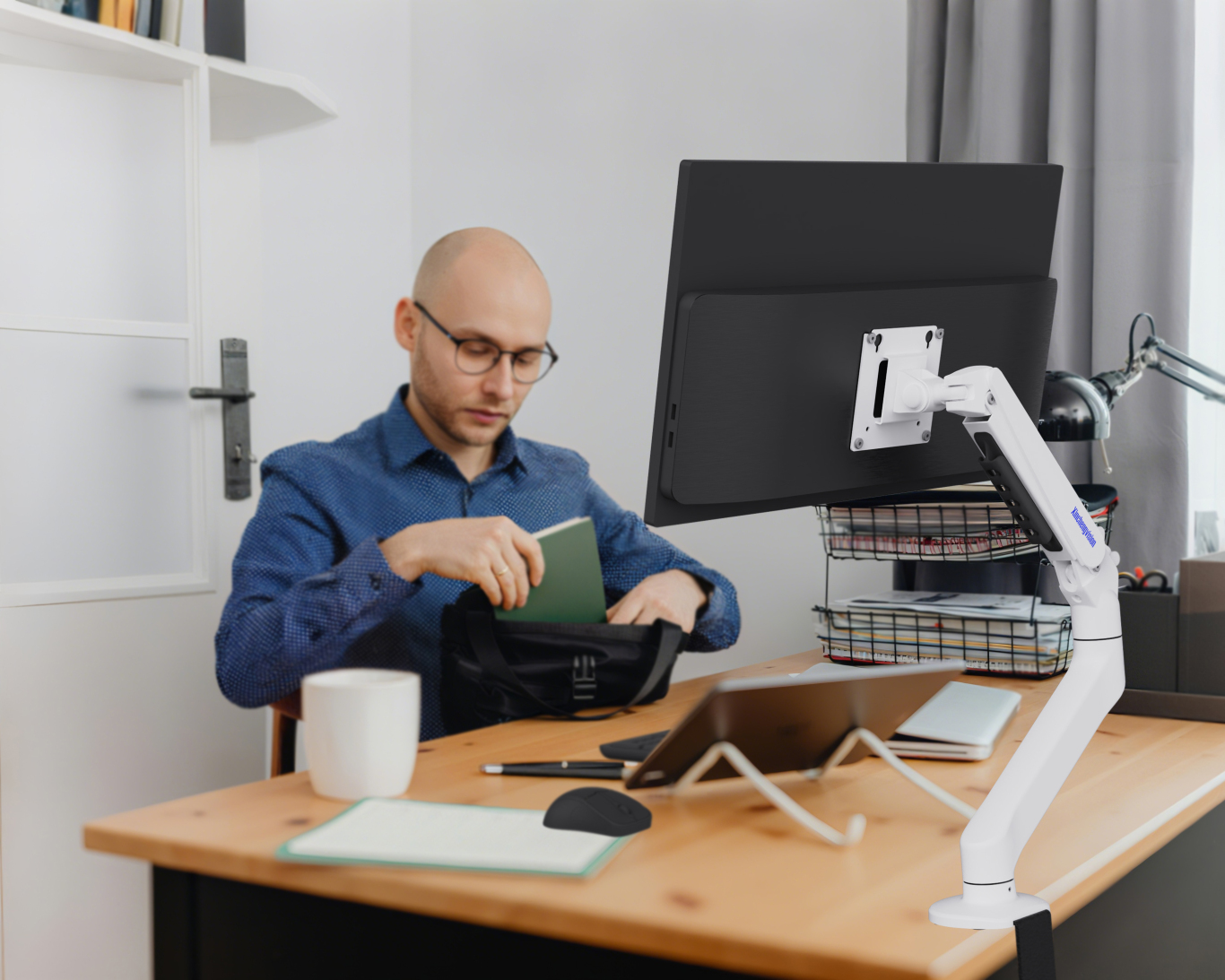
Hospitals are not gentle, climate-controlled environments.
Certain areas remain persistently humid
Air conditioning and seasonal changes create repeated dry–wet cycles
Equipment is often expected to operate continuously for five, even ten years
If material weather resistance is insufficient, issues may gradually emerge after just one or two years of use:
Mold growth on surfaces
Powdering, deformation, or material degradation
A simultaneous decline in performance and visual quality
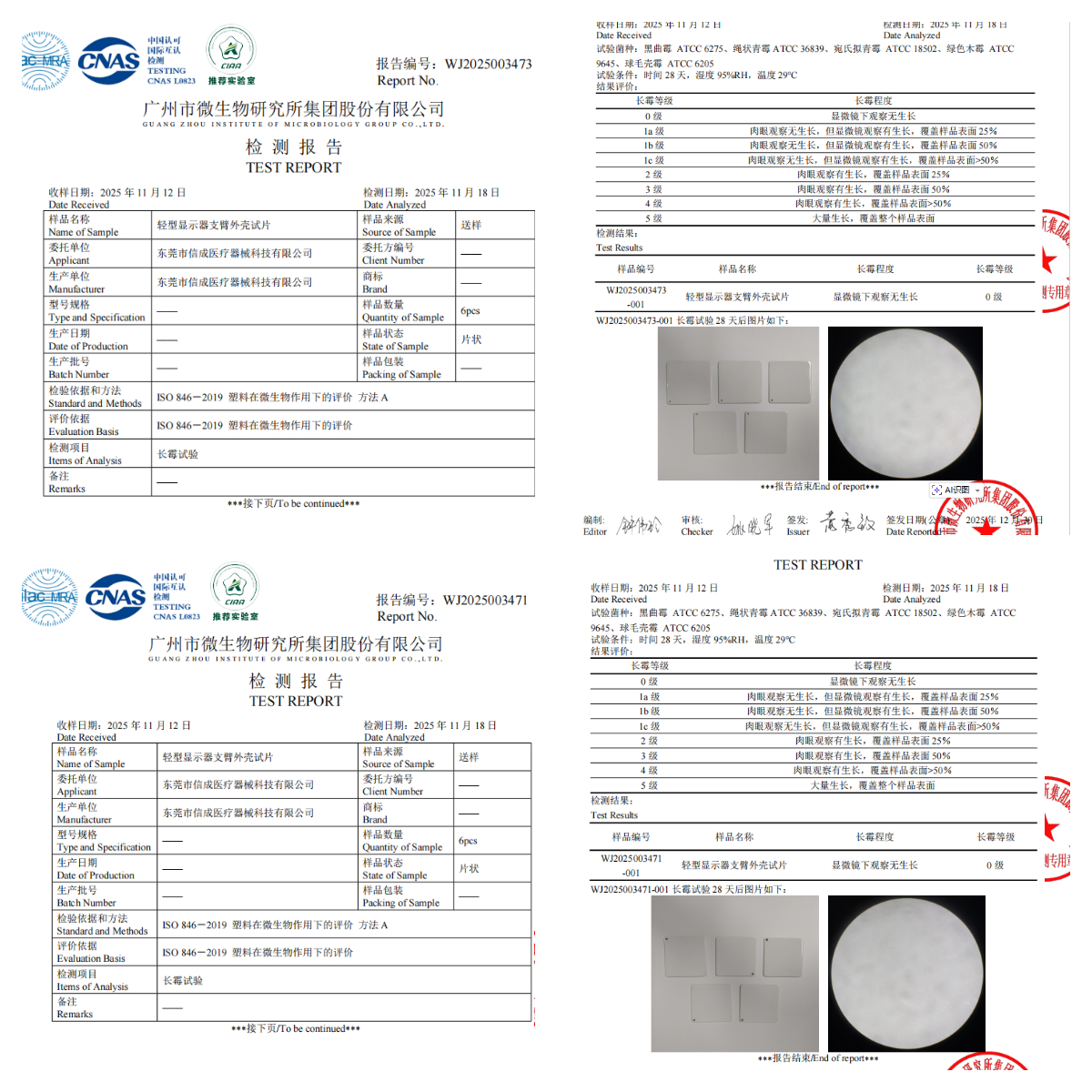
To address these risks, we conducted dedicated anti-mold testing alongside material development, simulating long-term use under high-temperature and high-humidity conditions.
The results were clear:
No mold growth was observed on the material surface, and structural stability remained unchanged.
This confirms the material’s ability to withstand the complex and variable climate challenges commonly found in medical environments.
03.Testing for stability.
We invest in testing not to pursue impressive specifications on paper,
but to deliver real, long-term value in everyday clinical use:
Equipment that remains clean and well-maintained even after three years of operation
Reduced daily cleaning burden for nursing staff
An added layer of confidence for hospital infection control
Because in medical environments, reliability is not measured at delivery—
it is proven over time.
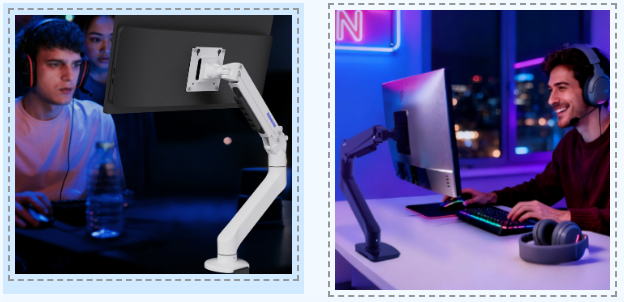
A product’s true suitability for medical environments is not defined by how it looks when it leaves the factory,
but by whether it remains stable, clean, and reliable after enduring day-after-day disinfection, seasonal changes, and prolonged exposure to humidity.
For this reason, antibacterial and anti-mold testing are not optional for us—
they are essential requirements in the development of medical-grade monitor arms.
If you have specific usage scenarios or disinfection protocols, we can tailor customized solutions based on your actual requirements.
Submit a request
Your name*
Mail*
Company Name*
phone
message*
File/Image Upload
Note:Up to 6 files, each within 10MVerification code